alpha-Amylase (nonspecified subtype) Related Diseases

Related Diseases
1) Diabetes Type 1
Type 1 Diabetes Mellitus, also known as diabetes mellitus, insulin-dependent, is related to type 1 diabetes mellitus 12 and type 1 diabetes mellitus 5, and has symptoms including polyuria and polydipsia. An important gene associated with Type 1 Diabetes Mellitus is HNF1A (HNF1 Homeobox A), and among its related pathways/superpathways are IL-9 Signaling Pathways and Immune response NFAT in immune response. The drugs Rituximab and Glipizide have been mentioned in the context of this disorder. Affiliated tissues include Bone and Pancreas, and related phenotypes are diabetes mellitus and polydipsia
2) Diabetes Type 2
Type 2 Diabetes Mellitus, also known as insulin resistance, is related to diabetes mellitus and maturity-onset diabetes of the young, type 8, with exocrine dysfunction, and has symptoms including angina pectoris, tremor and equilibration disorder. An important gene associated with Type 2 Diabetes Mellitus is IRS1 (Insulin Receptor Substrate 1), and among its related pathways/superpathways are Nervous system development and Angiopoietin-like protein 8 regulatory pathway. The drugs Glipizide and Glycopyrronium have been mentioned in the context of this disorder. Affiliated tissues include Pancreas and Adipose, and related phenotypes are type ii diabetes mellitus and insulin resistance
3) Stroke
Cerebrovascular Disease, also known as cerebrovascular disorder, is related to basal ganglia cerebrovascular disease and stroke, ischemic, and has symptoms including headache, transient ischemic attacks, stereotypic symptoms and angina pectoris. An important gene associated with Cerebrovascular Disease is HOTAIR (HOX Transcript Antisense RNA), and among its related pathways/superpathways are Signal Transduction and Regulation of Insulin-like Growth Factor (IGF) transport and uptake by Insulin-like Growth Factor Binding Proteins (IGFBPs). The drugs Acetylcarnitine and Benzocaine have been mentioned in the context of this disorder. Affiliated tissues include brain, bone marrow and heart, and related phenotypes are homeostasis/metabolism and growth/size/body region
4) Stroke, Ischemic
Stroke, Ischemic, also known as cerebral infarction, is related to sneddon syndrome and brain small vessel disease 1, and has symptoms including angina pectoris, back pain and chest pain. An important gene associated with Stroke, Ischemic is F5 (Coagulation Factor V), and among its related pathways/superpathways are Response to elevated platelet cytosolic Ca2+ and Diseases of hemostasis. The drugs Heparin, bovine and Nadroparin have been mentioned in the context of this disorder. Affiliated tissues include Bone and Brain, and related phenotypes are stroke and homeostasis/metabolism
5) Metabolic Syndrome
Abdominal Obesity-Metabolic Syndrome 1, also known as metabolic syndrome x, is related to mandibular hypoplasia, deafness, progeroid features, and lipodystrophy syndrome and nutritional deficiency disease, and has symptoms including angina pectoris, chest pain and edema. An important gene associated with Abdominal Obesity-Metabolic Syndrome 1 is MIR122 (MicroRNA 122), and among its related pathways/superpathways are Metabolism and IL-9 Signaling Pathways. The drugs Cilostazol and Captopril have been mentioned in the context of this disorder. Affiliated tissues include heart, liver and adipocyte, and related phenotypes are hypertension and abdominal obesity
6) Hypoglycemia
Hypoglycemia, also known as hypoglycaemia, is related to hyperinsulinemic hypoglycemia, familial, 2 and hypoglycemia, leucine-induced, and has symptoms including sugar craving An important gene associated with Hypoglycemia is ABCC8 (ATP Binding Cassette Subfamily C Member 8), and among its related pathways/superpathways are Metabolism and PI3K-Akt signaling pathway. The drugs Pasireotide and Insulin aspart have been mentioned in the context of this disorder. Affiliated tissues include liver, kidney and heart, and related phenotypes are no effect and no effect
7) Migraine
Migraine with or Without Aura 1, also known as migraine, is related to familial hemiplegic migraine and migraine without aura, and has symptoms including back pain, headache and hemiplegia. An important gene associated with Migraine with or Without Aura 1 is NOTCH3 (Notch Receptor 3), and among its related pathways/superpathways are Type II diabetes mellitus and Cellular roles of Anthrax toxin. The drugs Mineral oil and Betamethasone have been mentioned in the context of this disorder. Affiliated tissues include brain, pituitary and cortex, and related phenotypes are photophobia and vomiting
8) Arthritis
Arthritis, also known as inflammatory joint disease, is related to rheumatoid arthritis and juvenile rheumatoid arthritis, and has symptoms including arthralgia, back pain and metatarsalgia. An important gene associated with Arthritis is SYK (Spleen Associated Tyrosine Kinase), and among its related pathways/superpathways are Innate Immune System and MIF Mediated Glucocorticoid Regulation. The drugs Entecavir and Chlorhexidine have been mentioned in the context of this disorder. Affiliated tissues include joint, bone and bone marrow, and related phenotypes are Decreased Tat-dependent HIV-LTR-beta-galactosidase protein expression and homeostasis/metabolism
9) Coronary Artery Disease
Coronary Heart Disease 1, also known as coronary heart disease, is related to angina pectoris and abdominal obesity-metabolic syndrome 1, and has symptoms including angina pectoris, chest pain and edema. An important gene associated with Coronary Heart Disease 1 is CX3CR1 (C-X3-C Motif Chemokine Receptor 1), and among its related pathways/superpathways are Metabolism and Transport of inorganic cations/anions and amino acids/oligopeptides. The drugs Simvastatin and Lovastatin have been mentioned in the context of this disorder. Affiliated tissues include Limb and Bone, and related phenotypes are Increased free cholesterol and Increased LDL uptake
10) Asthma
Asthma, also known as chronic obstructive asthma, is related to allergic asthma and childhood-onset asthma, and has symptoms including recurring periods of wheezing, chest tightness and shortness of breath. An important gene associated with Asthma is IL13 (Interleukin 13), and among its related pathways/superpathways are Allograft rejection and Interleukin-4 and Interleukin-13 signaling. The drugs Fentanyl and Etomidate have been mentioned in the context of this disorder. Affiliated tissues include Lung, smooth muscle and skin, and related phenotypes are asthma and bronchoconstriction
11) Acute Lung Injury
Adult Respiratory Distress Syndrome, also known as acute respiratory distress syndrome, is related to critical covid-19 and pulmonary edema, and has symptoms including apnea, cheyne-stokes respiration and coughing. An important gene associated with Adult Respiratory Distress Syndrome is CXCL8 (C-X-C Motif Chemokine Ligand 8), and among its related pathways/superpathways are Innate Immune System and ERK Signaling. The drugs Iron and Ibuprofen have been mentioned in the context of this disorder. Affiliated tissues include Lung, and related phenotypes are respiratory failure and tachypnea
12) Pain
Paine Syndrome, also known as pain disorder, is related to paroxysmal extreme pain disorder and indifference to pain, congenital, autosomal recessive. An important gene associated with Paine Syndrome is HFE (Homeostatic Iron Regulator), and among its related pathways/superpathways are Cardiac conduction and Neuropathic Pain-Signaling in Dorsal Horn Neurons. The drugs Pregabalin and Dinoprostone have been mentioned in the context of this disorder. Affiliated tissues include dorsal root ganglion, spinal cord and breast, and related phenotypes are microcephaly and spastic diplegia
13) Epilepsy
Epilepsy, also known as epilepsy syndrome, is related to epilepsy, myoclonic juvenile and childhood absence epilepsy, and has symptoms including back pain, headache and pain. An important gene associated with Epilepsy is SCN1A (Sodium Voltage-Gated Channel Alpha Subunit 1), and among its related pathways/superpathways are Neuropathic Pain-Signaling in Dorsal Horn Neurons and Neuroscience. The drugs Ethosuximide and Vigabatrin have been mentioned in the context of this disorder. Affiliated tissues include brain, temporal lobe and thalamus, and related phenotypes are nervous system and growth/size/body region
14) Leukemia
Leukemia, also known as leukaemia, unspecified, without mention of remission, is related to myeloid leukemia and leukemia, chronic myeloid, and has symptoms including angina pectoris, chest pain and edema. An important gene associated with Leukemia is MIR27A (MicroRNA 27a), and among its related pathways/superpathways are NF-kappaB Signaling and Imatinib and chronic myeloid leukemia. The drugs Azacitidine and Decitabine have been mentioned in the context of this disorder. Affiliated tissues include myeloid, bone marrow and t cells, and related phenotypes are Increased HDAC inhibitor resistance and endocrine/exocrine gland
15) Rheumatoid Arthritis
Rheumatoid Arthritis, also known as ra, is related to arthritis and psoriatic arthritis, and has symptoms including back pain, muscle cramp and sciatica. An important gene associated with Rheumatoid Arthritis is PTPN22 (Protein Tyrosine Phosphatase Non-Receptor Type 22), and among its related pathways/superpathways are NF-kappaB Signaling and Genes associated with the development of rheumatoid arthritis. The drugs Entecavir and Alendronic acid have been mentioned in the context of this disorder. Affiliated tissues include Cartilage, joint and bone, and related phenotypes are joint stiffness and fatigue
16) Diabetes
Diabetes Mellitus, also known as diabetes, is related to type 2 diabetes mellitus and gestational diabetes, and has symptoms including angina pectoris, tremor and equilibration disorder. An important gene associated with Diabetes Mellitus is KCNJ11 (Potassium Inwardly Rectifying Channel Subfamily J Member 11), and among its related pathways/superpathways are Regulation of beta-cell development and Cell differentiation - expanded index. The drugs Miconazole and Clotrimazole have been mentioned in the context of this disorder. Affiliated tissues include pancreas, bone marrow and kidney.
17) Diabetic Nephropathy
Microvascular Complications of Diabetes 2, also known as microvascular complications of diabetes, susceptibility to, 2, is related to microvascular complications of diabetes 3 and background diabetic retinopathy. An important gene associated with Microvascular Complications of Diabetes 2 is EPO (Erythropoietin). The drugs Mecobalamin and Hydroxocobalamin have been mentioned in the context of this disorder. Affiliated tissues include kidney, endothelial and retina.
18) Fibrosis
Fibrosis of Extraocular Muscles, Congenital, 1, also known as fibrosis of extraocular muscles, congenital, 3b, is related to moebius syndrome and fibrosis of extraocular muscles, congenital, 2, and has symptoms including cachexia, cyanosis and dyspnea. An important gene associated with Fibrosis of Extraocular Muscles, Congenital, 1 is KIF21A (Kinesin Family Member 21A), and among its related pathways/superpathways are Class I MHC mediated antigen processing and presentation and Vesicle-mediated transport. The drugs Angiotensin II and Losartan have been mentioned in the context of this disorder. Affiliated tissues include liver, eye and bone marrow, and related phenotypes are esotropia and exotropia
19) Obesity
Body Mass Index Quantitative Trait Locus 11, also known as obesity, is related to leptin deficiency or dysfunction and type 2 diabetes mellitus, and has symptoms including high weight, symptoms and obesity, metabolically benign. An important gene associated with Body Mass Index Quantitative Trait Locus 11 is UCP3 (Uncoupling Protein 3), and among its related pathways/superpathways are Beta-2 adrenergic-dependent CFTR expression and Glucose / Energy Metabolism. The drugs Hydrocortisone and Hydrocortisone succinate have been mentioned in the context of this disorder. Affiliated tissues include skeletal muscle, liver and heart, and related phenotypes are obesity and decreased resting energy expenditure
20) Renal Failure
Kidney Disease, also known as renal failure, is related to chronic kidney disease and polycystic kidney disease, and has symptoms including polyuria An important gene associated with Kidney Disease is TSC1 (TSC Complex Subunit 1), and among its related pathways/superpathways are Ciliopathies and Bardet-Biedl syndrome. The drugs Amiodarone and Nicotinamide have been mentioned in the context of this disorder. Affiliated tissues include kidney, heart and bone marrow, and related phenotypes are homeostasis/metabolism and renal/urinary system
21) Gastrointestinal Disorders
Gastrointestinal System Disease, also known as gastrointestinal disease, is related to crohn's disease and stomach disease, and has symptoms including peeling tongue, catarrh and blood in stool. An important gene associated with Gastrointestinal System Disease is MIR199A1 (MicroRNA 199a-1), and among its related pathways/superpathways are Cell differentiation - expanded index and miRNAs involved in DNA damage response. The drugs Indomethacin and Racepinephrine have been mentioned in the context of this disorder. Affiliated tissues include gastrointestinal tract, small intestine and liver.
22) Alopecia
Alopecia is related to alopecia universalis congenita and alopecia-mental retardation syndrome 1, and has symptoms including exanthema and pruritus. An important gene associated with Alopecia is SASH1 (SAM And SH3 Domain Containing 1), and among its related pathways/superpathways are Direct p53 effectors and Validated transcriptional targets of TAp63 isoforms. The drugs Cetirizine and Histamine have been mentioned in the context of this disorder. Affiliated tissues include Hair, and related phenotypes are no effect and no effect
23) Thrombosis
Complement Hyperactivation, Angiopathic Thrombosis, and Protein-Losing Enteropathy, also known as chaple, is related to blood group, cromer system and protein-losing enteropathy. An important gene associated with Complement Hyperactivation, Angiopathic Thrombosis, and Protein-Losing Enteropathy is CD55 (CD55 Molecule (Cromer Blood Group)). The drugs Dabigatran and Norethisterone have been mentioned in the context of this disorder. Affiliated tissues include liver, whole blood and endothelial, and related phenotypes are thrombocytosis and hepatomegaly
24) Anemia
Deficiency Anemia, also known as anemia, is related to iron deficiency anemia and diamond-blackfan anemia, and has symptoms including angina pectoris, chest pain and edema. An important gene associated with Deficiency Anemia is HBA2 (Hemoglobin Subunit Alpha 2), and among its related pathways/superpathways are Cellular responses to stimuli and Binding and Uptake of Ligands by Scavenger Receptors. The drugs Iron protein succinylate and Proguanil have been mentioned in the context of this disorder. Affiliated tissues include bone marrow, kidney and heart, and related phenotypes are homeostasis/metabolism and liver/biliary system
25) Glaucoma
Intraocular Pressure Quantitative Trait Locus, also known as glaucoma, is related to primary angle-closure glaucoma and open-angle glaucoma. An important gene associated with Intraocular Pressure Quantitative Trait Locus is ZEB1 (Zinc Finger E-Box Binding Homeobox 1), and among its related pathways/superpathways are Clear cell renal cell carcinoma pathways and BMP signaling in eyelid development. The drugs Topiramate and Bromfenac have been mentioned in the context of this disorder. Affiliated tissues include Eye, retina and bone marrow, and related phenotypes are homeostasis/metabolism and nervous system
26) Hyperlipidemia
Familial Hyperlipidemia, also known as familial hyperlipoproteinemia, is related to hyperlipoproteinemia, type v and hyperlipoproteinemia, type i. An important gene associated with Familial Hyperlipidemia is APOB (Apolipoprotein B), and among its related pathways/superpathways are Metabolism and Transport of inorganic cations/anions and amino acids/oligopeptides. The drugs Evolocumab and Dapagliflozin have been mentioned in the context of this disorder. Affiliated tissues include heart, liver and endothelial, and related phenotypes are no effect and no effect
27) Hypertension
Hypertension, Essential, also known as essential hypertension, is related to pulmonary hypertension and renovascular hypertension, and has symptoms including angina pectoris, chest pain and edema. An important gene associated with Hypertension, Essential is PTGIS (Prostaglandin I2 Synthase), and among its related pathways/superpathways are Development Angiotensin activation of ERK and "Agents Acting on the Renin-Angiotensin System Pathway, Pharmacodynamics". The drugs Digoxin and Warfarin have been mentioned in the context of this disorder. Affiliated tissues include heart, kidney and eye, and related phenotypes are elevated systolic blood pressure and elevated diastolic blood pressure
28) Hyperglycemia
Hyperglycemia is related to type 1 diabetes mellitus and maturity-onset diabetes of the young, type 2, and has symptoms including cachexia, cyanosis and dyspnea. An important gene associated with Hyperglycemia is MALAT1 (Metastasis Associated Lung Adenocarcinoma Transcript 1), and among its related pathways/superpathways are Metabolism and Nervous system development. The drugs Saxagliptin and Aripiprazole have been mentioned in the context of this disorder. Affiliated tissues include endothelial, liver and brain, and related phenotypes are Decreased viability and Decreased viability
29) Dental Caries
Dental Caries, also known as dental caries extending into pulp, is related to aplasia of lacrimal and salivary glands and enamel caries, and has symptoms including halitosis and snoring. An important gene associated with Dental Caries is ATP2B3 (ATPase Plasma Membrane Ca2+ Transporting 3). The drugs Salicylic acid and Sorbitol have been mentioned in the context of this disorder. Affiliated tissues include salivary gland, bone and bone marrow, and related phenotypes are no effect and no effect
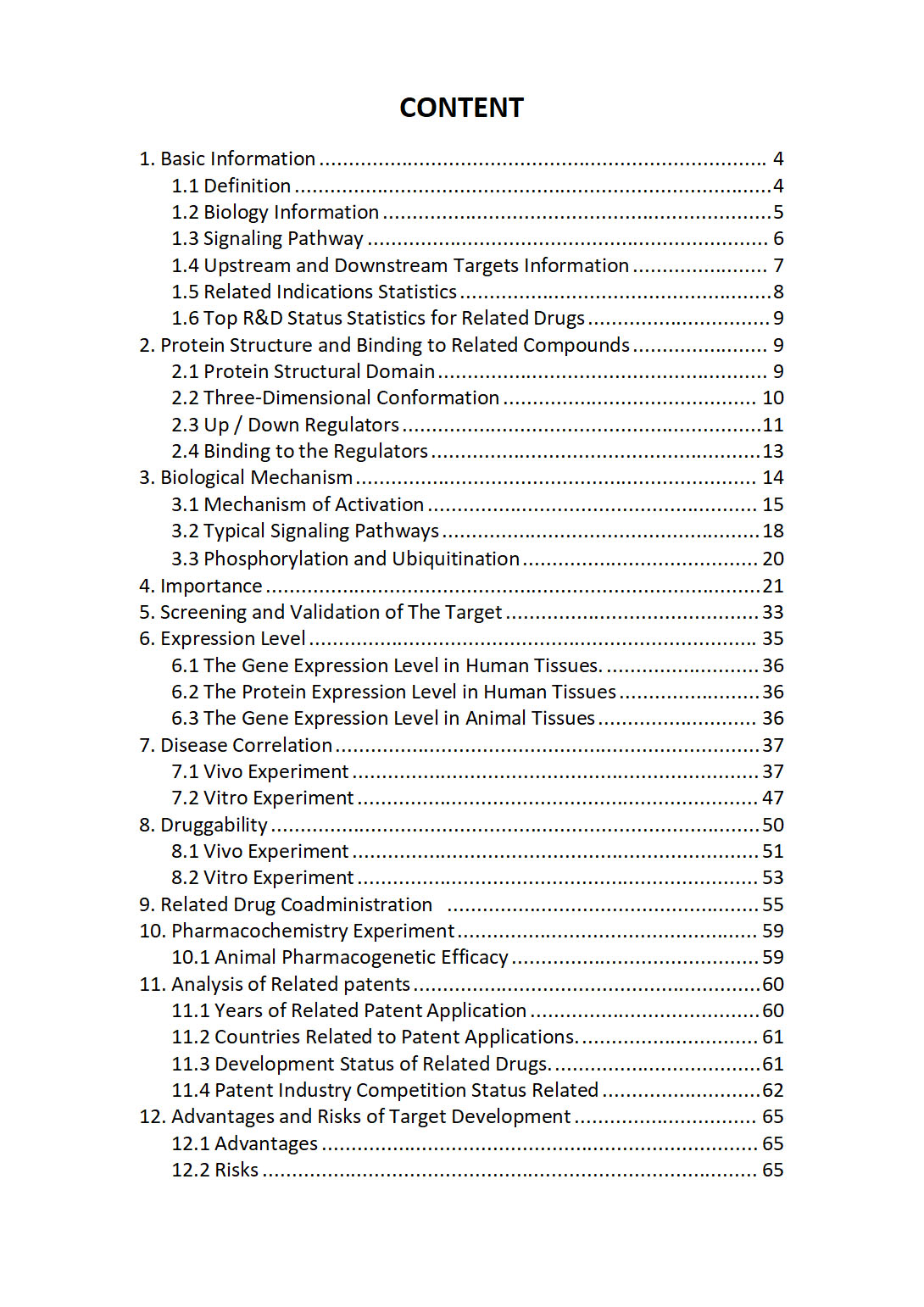
The "alpha-Amylase (nonspecified subtype) Target / Biomarker Review Report" is a customizable review of hundreds up to thousends of related scientific research literature by AI technology, covering specific information about alpha-Amylase (nonspecified subtype) comprehensively including but not limited to:
• general information;
• protein structure and compound binding;
• protein biological mechanisms;
• its importance;
• the target screening and validation;
• expression level;
• disease relevance;
• drug resistance;
• related combination drugs;
• pharmacochemistry experiments;
• related patent analysis;
• advantages and risks of development, etc.
The report is helpful for project application, drug molecule design, research progress updates, publication of research papers, patent applications, etc. If you are interested to get a full version of this report, please feel free to contact us at BD@bio.cacnex.com.
More Common Targets
11beta-Hydroxysteroid Dehydrogenase | 14-3-3 Protein | 15-Lipoxygenase | 17-beta-Hydroxysteroid dehydrogenase | 28S ribosomal subunit, mitochondrial | 3-Ketoacyl-CoA Thiolase (3-KAT) | 39S ribosomal subunit, mitochondrial | 4EHP-GYF2 complex | 5-Hydroxytryptamine Receptor | 5-Hydroxytryptamine Receptor 1 (5-HT1) | 5-Hydroxytryptamine Receptor 2 (5-HT2) | 60S Ribosome | 9-1-1 cell-cycle checkpoint response complex | A-Kinase Anchor Proteins | A1BG | A1BG-AS1 | A1CF | A2M | A2M-AS1 | A2ML1 | A2MP1 | A3GALT2 | A4GALT | A4GNT | AAAS | AACS | AACSP1 | AADAC | AADACL2 | AADACL2-AS1 | AADACL3 | AADACL4 | AADACP1 | AADAT | AAGAB | AAK1 | AAMDC | AAMP | AANAT | AAR2 | AARD | AARS1 | AARS2 | AARSD1 | AASDH | AASDHPPT | AASS | AATBC | AATF | AATK | ABALON | ABAT | ABCA1 | ABCA10 | ABCA11P | ABCA12 | ABCA13 | ABCA17P | ABCA2 | ABCA3 | ABCA4 | ABCA5 | ABCA6 | ABCA7 | ABCA8 | ABCA9 | ABCB1 | ABCB10 | ABCB11 | ABCB4 | ABCB5 | ABCB6 | ABCB7 | ABCB8 | ABCB9 | ABCC1 | ABCC10 | ABCC11 | ABCC12 | ABCC13 | ABCC2 | ABCC3 | ABCC4 | ABCC5 | ABCC6 | ABCC6P1 | ABCC6P2 | ABCC8 | ABCC9 | ABCD1 | ABCD2 | ABCD3 | ABCD4 | ABCE1 | ABCF1 | ABCF1-DT | ABCF2 | ABCF3 | ABCG1 | ABCG2

CONTACT
BD@bio.cacnex.com
2026© Cacnex Consulting Ltd. All Rights Reserved
